HESCO Automotive & Performance Center Blog
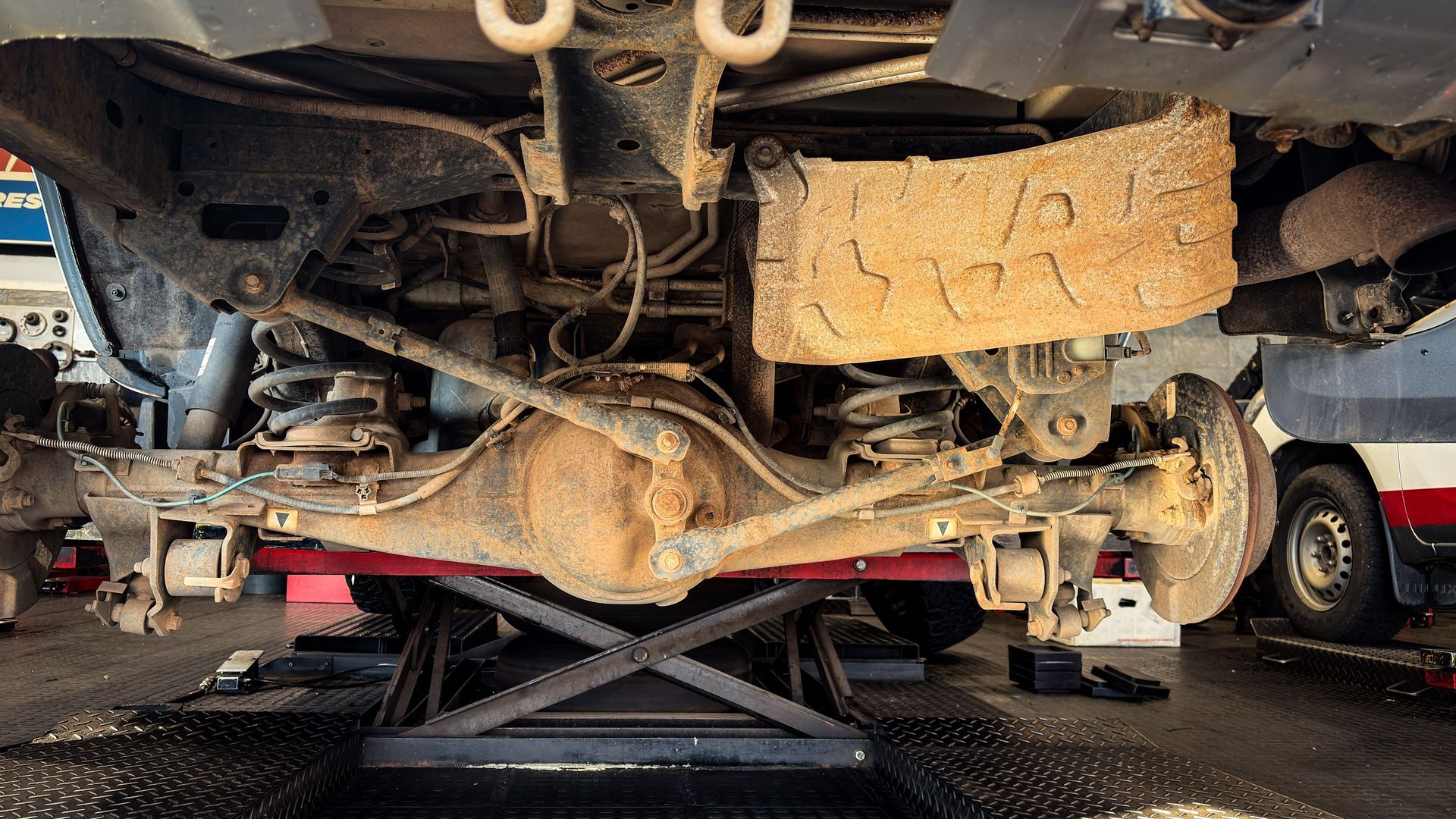
Your vehicle's suspension system does much more than provide a comfortable ride. It helps keep your tires in contact with the road, supports proper handling, and contributes to safe braking and steering. Because suspension components experience constant stress, they can eventually wear or become damaged. Recognizing the warning signs of a suspension issue can help you address problems before they affect your vehicle's handling and safety. At HESCO Automotive & Performance Center, we provide expert suspension repair in the greater Birmingham, AL area. Here are four symptoms to watch for. Excessive Bouncing If your vehicle continues bouncing several times after driving over a bump, your shocks or struts may not be controlling the suspension properly. A properly functioning suspension should help the vehicle settle relatively quickly after encountering uneven pavement. Excessive bouncing is a sign that it’s time for a suspension inspection. Vehicle Pulling or Drifting A vehicle that consistently pulls or drifts to one side may have a suspension-related problem, although alignment issues can also cause similar symptoms. Worn or damaged suspension components can affect how the vehicle sits and moves while driving. If you notice persistent pulling, it’s best to have the vehicle professionally inspected. Uneven Tire Wear Your tires can provide useful clues about the condition of your suspension. If one or more tires develop irregular wear patterns, worn shocks, struts, springs, or other suspension components could be contributing to the problem. Because suspension and alignment issues can overlap, a professional inspection can determine what is causing the abnormal wear and help prevent further tire issues. Unusual Noises Clunking, knocking, squeaking, or rattling sounds coming from the suspension can indicate worn or damaged components. These noises may become more noticeable when driving over bumps or turning. Suspension systems contain numerous components, so identifying the source of an unfamiliar noise can be difficult without professional diagnostics. Suspension Repair in Birmingham, AL For top-quality auto repair in Birmingham and the surrounding area, contact HESCO Automotive & Performance Center at (205) 526-3796. Feel free to give us a call to schedule an appointment for car care in greater Birmingham!

Your vehicle's cooling system plays a critical role in keeping the engine operating within a safe temperature range. It relies on coolant, the radiator, thermostat, water pump, hoses, and cooling fans to remove excess heat and prevent overheating. When one of these components fails or becomes damaged, engine temperatures can rise quickly. Understanding common cooling system problems can help you recognize potential trouble and seek repairs before overheating causes more serious engine damage. At HESCO Automotive & Performance Center, we provide expert cooling system repair in the greater Birmingham, AL area. Here are four common reasons that vehicles overheat. Water Pump Failure The water pump circulates coolant throughout the engine and cooling system. A worn or damaged water pump may not move coolant effectively, allowing excessive heat to accumulate. Some water pump failures can also result in coolant leaks or unusual noises. Because proper coolant circulation is essential for temperature control, suspected water pump problems should be diagnosed and repaired promptly. Radiator Issue The radiator removes heat from the coolant before the fluid returns to the engine. Damage, leaks, internal blockages, or restricted airflow can prevent the radiator from working effectively. A radiator problem may become particularly noticeable during hot weather and extended idling. Low Coolant Low coolant is one of the most common causes of engine overheating. Coolant absorbs heat from the engine and carries it to the radiator, where the heat is released. If the system doesn't contain enough coolant, it may not be able to regulate engine temperature effectively. Low coolant can result from leaks involving hoses, the radiator, water pump, or other components. If your coolant level repeatedly drops, have the system professionally inspected. Bad Thermostat The thermostat regulates coolant flow between the engine and radiator. When the engine reaches its normal operating temperature, the thermostat opens to allow coolant to circulate through the radiator. If it becomes stuck closed, coolant circulation can be restricted and the engine becomes liable to overheat. Cooling System Repair in Birmingham, AL For expert auto repair in Birmingham and the surrounding area, contact HESCO Automotive & Performance Center at (205) 526-3796. Feel free to give us a call to schedule an appointment!
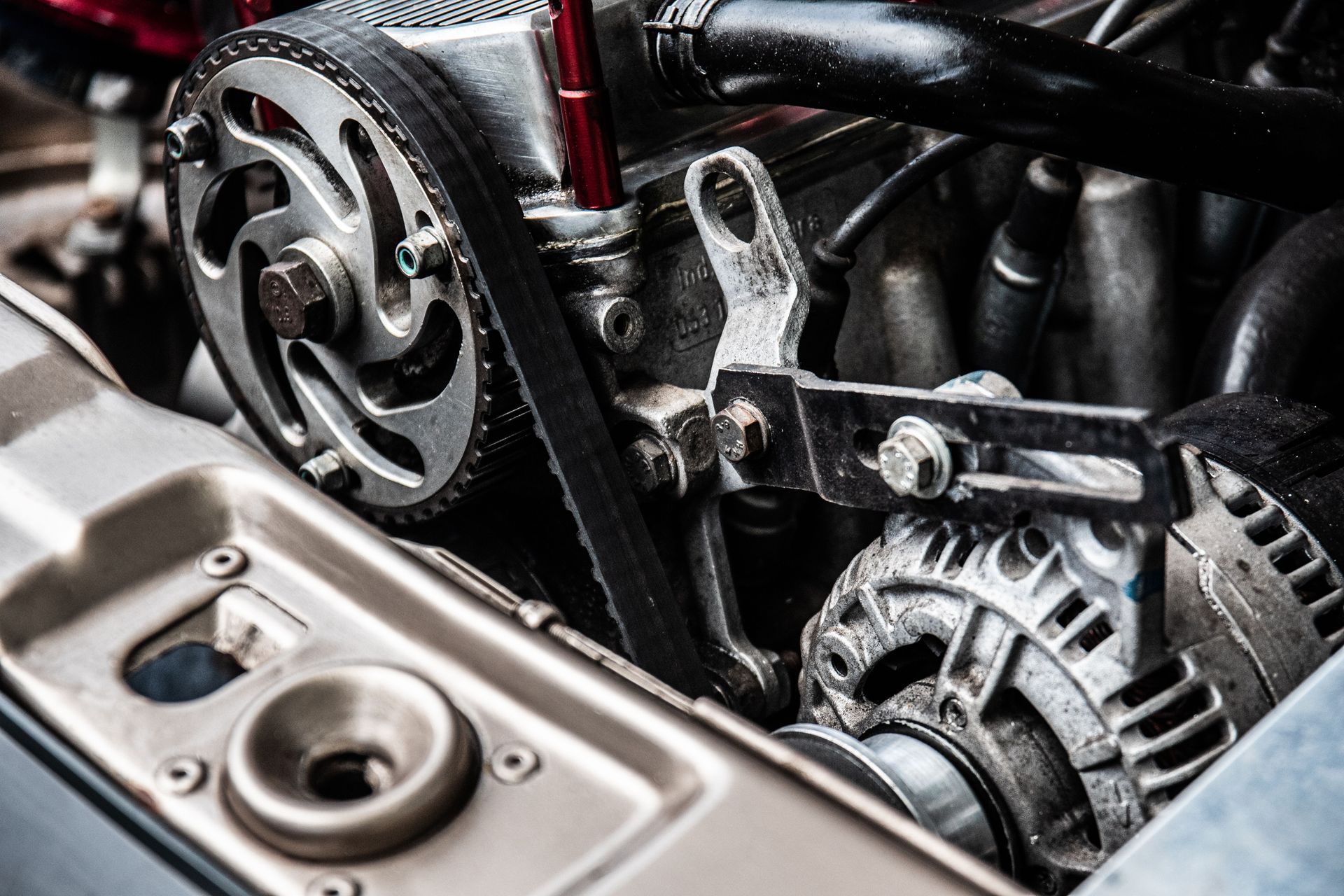
Your vehicle's alternator is a key component of the charging system, supplying electricity to power your car's electrical accessories while keeping the battery charged. When the alternator begins to fail, it can affect everything from your headlights to your ability to start the engine. Fortunately, alternator problems often develop gradually and produce noticeable warning signs before the unit stops working altogether. Recognizing these symptoms early can help you avoid a breakdown. At HESCO Automotive & Performance Center, we provide alternator replacement in the greater Birmingham, AL area. Here are five warning signs of alternator failure. Battery Warning Light Appears In many cases, one of the first indications of an alternator problem is the battery or charging system warning light illuminating on your dashboard. Although many people assume this light always points to a bad battery, it can also indicate that the alternator is not generating enough electricity to keep the battery properly charged. If the warning light comes on while you're driving, it's important to have the charging system inspected promptly. Lighting Issues Because the alternator powers your vehicle's electrical system while the engine is running, a failing unit may struggle to provide consistent voltage. As a result, you may notice dim or flickering headlights, dashboard lights, or interior lights. Inconsistent lighting is often an early warning sign that the alternator requires attention. Difficulty Starting the Vehicle A healthy alternator continuously recharges the battery as you drive. If the alternator is failing, the battery may gradually lose its charge until it no longer has enough power to start the engine. Electrical Accessories Malfunction Modern vehicles rely on a steady supply of electrical power to operate numerous systems. When the alternator isn't functioning properly, accessories such as power windows, infotainment systems, heated seats, and climate controls may begin operating inconsistently or stop working altogether. Multiple electrical issues occurring at the same time often point to an underlying charging system problem rather than separate component failures. Whining or Grinding Noises Whining or grinding sounds coming from the alternator could arise due to belt or bearing issues. Any unusual noises should be promptly inspected by the mechanic. Alternator Replacement in Birmingham, AL For expert auto repair in Birmingham and the surrounding area, contact HESCO Automotive & Performance Center at (205) 526-3796. Feel free to give us a call to schedule an appointment for car care in greater Birmingham, AL!